

Family Violence Orders in the ACT: what you need to know
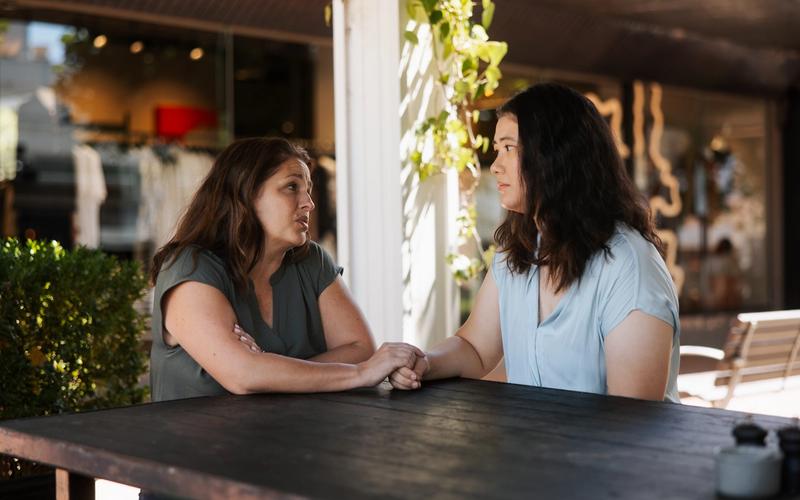
If you are experiencing family violence or have been served with an application for a Family Violence Order (FVO), understanding your rights and obligations is important.
In the Australian Capital Territory (ACT), a Family Violence Order is a court order designed to protect a person from family violence and reduce the risk of further harm.
But who can apply for an FVO? What behaviour constitutes family violence? And what happens after an application is made?
This blog gives an overview of Family Violence Orders in the ACT, and what you should know if you are considering applying for, or responding to, an FVO application.
What is a FVO?
A Family Violence Order (FVO) is a civil protective order made under the Family Violence Act 2016 (ACT). Applications are dealt with by the ACT Magistrates Court.
As a civil and not criminal order, an FVO does not go on a person's a criminal record. Rather, it is designed to prevent further violence, harassment, intimidation, stalking, or other behaviour that may place a person's personal safety at risk. Although not criminal, FVOs are served on the respondent by police and are enforced by police.
Breaching an FVO is a criminal offence and can carry a maximum penalty of five years' imprisonment and/or monetary fines.
Who can apply for a FVO?
A person may apply for an FVO against a family member where protection from family violence is required. The applicant must be a family member of the respondent. Otherwise, a personal protection order can be sought if the parties are not related or family members.
If an order is made, the applicant becomes the 'Protected Person' under a FVO. Police officers can also make applications for the protection of a person affected by family violence.
The Court may also include children, or other family members, as protected persons if they are affected by family violence. This can include directly experiencing family violence, or being exposed to it by witnessing or hearing family violence directed at someone else. An adult may also apply on behalf of a child where protection is required for a child.
Whether an order is made, and what conditions apply, will depend on the circumstances of the case and the evidence before the Court.
If the Court declines to make an interim FVO, then the matter will continue in Court for a determination of whether a final FVO should be made.

What is considered family violence?
Family violence is not limited to physical violence or assault.
Under the Family Violence Act 2016 (ACT), family violence can include:
- Physical violence or threats of violence.
- Sexual abuse and coercion.
- Emotional or psychological abuse.
- Economic abuse.
- Harassment, intimidation or stalking.
- Damage to property or harming an animal.
- Coercive or controlling behaviour, including depriving someone of their liberty.
- Harmful use or interference with technology.
- Other conduct that causes a person to fear for their safety or wellbeing.
This broad definition means a person does not necessarily need to have experienced physical violence before seeking protection through an FVO.
Being offended by someone or disliking something a person does or says may not be accepted as family violence. It can sometimes be difficult to distinguish family violence conduct from conflictual behaviour occurring during a disagreement. Context is important. A family lawyer can help you identify if conduct complained of is likely to be held by the Court to be family violence conduct.
What conditions can be included in an FVO?
The conditions of a Family Violence Order should be tailored to the circumstances of each case. Depending on the risks involved, an order may require the respondent to:
Stay away from the protected person's home, workplace or other specified locations.
- Not assault, threaten, harass, stalk or intimidate the protected person.
- Not contact the protected person.
- Not approach the protected person.
- Comply with other restrictions considered necessary for their protection.
Some orders may allow limited communication for practical purposes, including for making arrangements about children.
The Court will consider what conditions are necessary to protect the safety and wellbeing of the protected person and balance this with the effect of removing the liberty or rights of the respondent.
What happens after an FVO application is made?
An FVO application is filed with the ACT Magistrates Court. The application should set out the family violence conduct alleged and explain why protection in the form of a FVO is necessary.
The Court may make an interim FVO, where immediate protection is necessary. An interim order provides protection to the applicant, while the proceedings continue to decide if protection is needed on a final and ongoing basis. An interim order does not prove that the family violence alleged occurred. An interim order comes into effect once it is served on the respondent.
The Court will then convene a preliminary conference between the parties, on a later date. At this conference the parties will be assisted by a Court Deputy Registrar to try to resolve the application by agreement. If successful, this avoids the need for the case to continue to a final hearing and the FVO proceedings end.
If the matter does not resolve at the conference, then procedural orders will be made at a later date to prepare the case for a final hearing. At the final hearing, both parties may be required to give evidence and be cross-examined on their evidence. A final order may be ordered to remain in place for up to 2 years, or in special circumstances, for up to 5 years.
The Court will consider the evidence and determine whether a family violence conduct has occurred and whether the applicant has reasonable grounds to fear family violence from the respondent.
Can an FVO affect parenting and other legal proceedings?
Yes. A Family Violence Order can have consequences for other legal issues between the same parties.
For example, an FVO may affect:
Parenting arrangements: Restrictions on contact and communication can affect how separated parents make arrangements for their children. In some instances, an FVO can suspend or vary existing parenting orders relating to children.
Living arrangements: An order may require a physical separation between the parties, by preventing someone from entering or remaining at a particular home or location.
Other legal proceedings: Family violence allegations and FVO proceedings may intersect with parenting, property and other family law matters. Provisions in the Family Law Act 1975 require consideration of previous FVOs when making orders about children or the division of property.
Security clearances and firearms licenses: a respondent's ability to hold a firearm or maintain a security clearance may be affected by an FVO.
A family lawyer can help you understand the 'big picture' impact of seeking or answering an FVO, including how to protect your legal rights and interests.
What if you are applying for or responding to an FVO?
Whether you are seeking protection from family violence, or you have been served with an FVO application, obtaining legal advice early is important.
If an interim order has been made against you, you must comply with its conditions, even if you disagree with the allegations or want to oppose its terms.
A family lawyer can help you understand your rights and obligations, prepare relevant evidence for the Court and navigate the Court process.
For more information about the application process, interim orders and what to expect at each stage, read our Family Violence Order fact sheet.
Need advice about a Family Violence Order in the ACT?
Family Violence Order proceedings can be complex and may have other implications for your personal circumstances, parenting arrangements and other legal matters.
Whether you are considering applying for an FVO or you are responding to one, our specialist, trauma-informed family lawyers can help you understand your options and determine the best way forward.
Contact the Parker Coles Curtis team for advice about Family Violence Orders in Canberra and the ACT.